
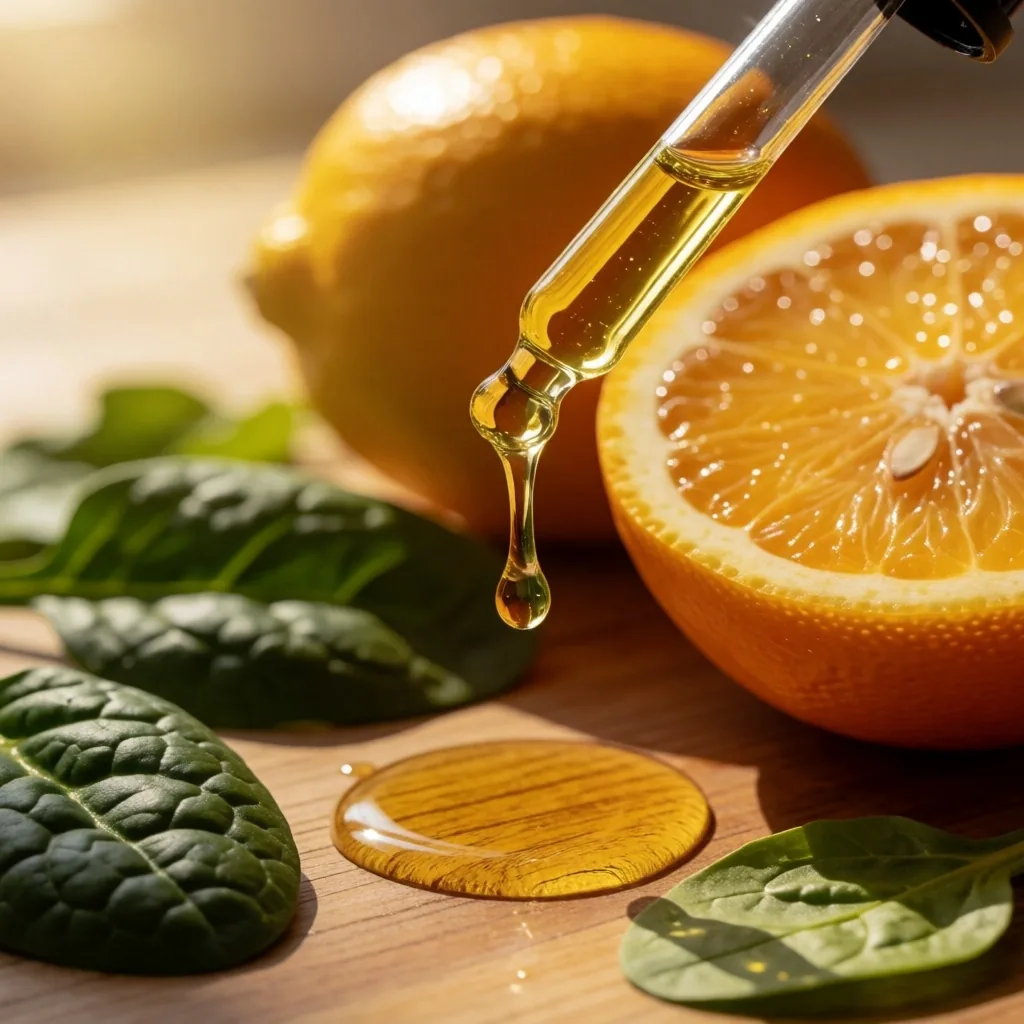
Essential Micronutrients for Male Vitality
A practical reference to the vitamins and minerals that matter most for active men in Indonesia — what each nutrient does, where to find it, and how it fits into your daily routine.
Eight core micronutrients, explained in plain English.
Why Micronutrients Matter
Vitamins and minerals are the fundamental building blocks of human health. They act as catalysts for thousands of chemical reactions within the body — from converting food into usable energy to supporting muscle function after a long day.
The Urban Indonesian Context
Many men in Jakarta spend their daylight hours indoors, eat on the go, and train after work. That lifestyle can leave real gaps in micronutrient intake — even with a fairly balanced diet. This guide names the nutrients that matter most and explains how to close those gaps through food and thoughtful supplementation.
How to Use This Guide
Each section covers one nutrient: what it does in the body, why active men need it, and practical ways to get enough. Read top to bottom for a complete picture, or jump straight to the nutrient you are curious about. Use the nutrition checklist at the end to take stock of your own routine.
Vitamin D: The Sunshine Nutrient
Despite Indonesia's sunny climate, many urban professionals spend their weekdays indoors — in offices, in cars, in meeting rooms — and arrive home after the strongest sunlight has passed. That pattern can leave the body short on Vitamin D, a nutrient the skin produces when exposed to direct sun.
Vitamin D supports bone density by helping the body absorb calcium. It also plays a role in immune function and in maintaining physical strength over time. Low levels are associated with general fatigue and a reduced sense of wellbeing, which is why urban dwellers benefit from paying attention to this nutrient year-round.
Safe sun exposure — around 10 to 20 minutes on exposed arms and face, two or three times a week — can help maintain natural levels. Fatty fish, egg yolks, and fortified foods add dietary support. When sun and diet are not enough, a Vitamin D supplement offers a straightforward way to close the gap.


Magnesium for Recovery and Relaxation
Magnesium is involved in over 300 biochemical reactions in the body, including muscle function, protein synthesis, and the regulation of the nervous system. For men who train regularly, it is one of the most important minerals to keep on the radar — because the body uses magnesium faster under physical stress.
After exercise, magnesium helps muscles relax and recover, reducing the stiffness that builds up after a hard session. It also supports the shift from an active state into rest, which is why many people find a magnesium supplement taken in the evening helps them wind down.
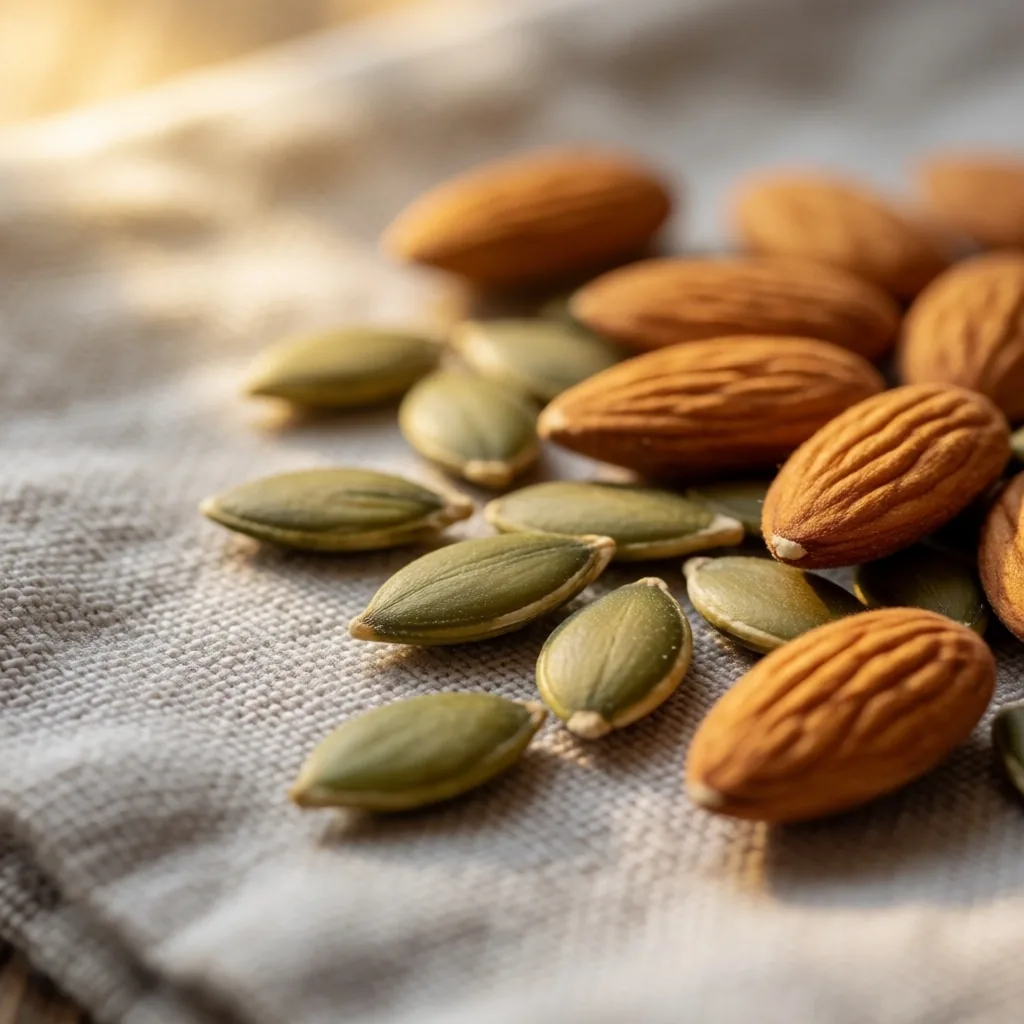
Not all forms are the same. Magnesium glycinate is gentle on the stomach and well-suited for evening use. Magnesium citrate is more commonly used for general replenishment. Spinach, pumpkin seeds, black beans, and dark chocolate all provide meaningful amounts from food. A consistent nightly routine — supplement or magnesium-rich snack — is more effective than occasional high doses.
Zinc: A Cornerstone of Male Health
Nutrient 03Zinc is a trace mineral, which means the body needs only small amounts — but those small amounts carry enormous weight. Zinc plays a role in cell division, immune health, wound healing, and the maintenance of natural energy levels. For active men, it sits alongside magnesium as a non-negotiable part of a nutritional foundation.
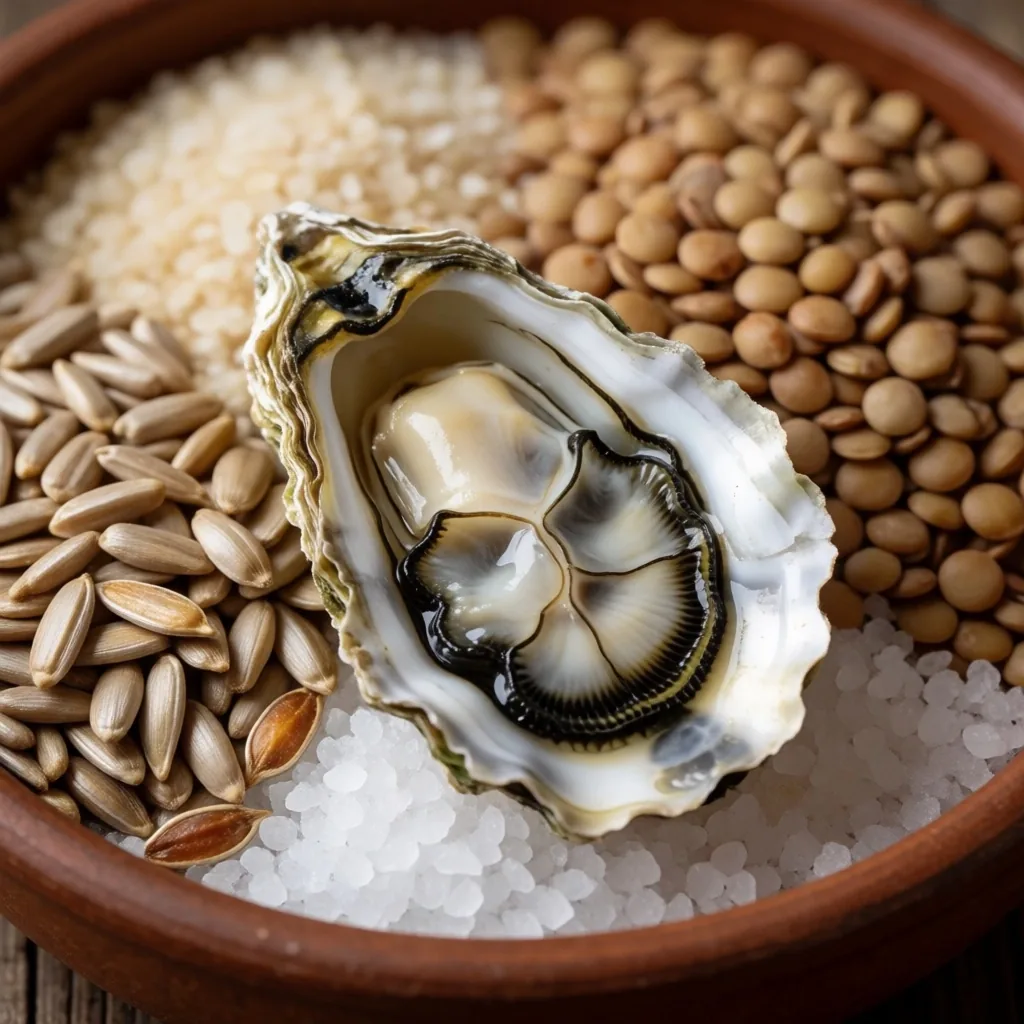
The body does not store zinc the way it stores fat-soluble vitamins, so intake needs to be consistent. Oysters are the richest natural source by a wide margin, but beef, pumpkin seeds, chickpeas, and cashews are more practical for everyday eating. Vegetarians and vegans should pay particular attention, since plant-based sources contain phytates that can reduce zinc absorption.
A modest daily supplement can help bridge the gap when dietary intake falls short. The goal is consistency, not megadoses — the body uses what it needs and the rest goes to waste.
B-Vitamins and Metabolic Energy
The B-complex family — including B12 and B6 — is responsible for converting the food you eat into usable energy. These vitamins support the nervous system and help reduce fatigue during long workdays, which makes them particularly relevant for men navigating Jakarta traffic, back-to-back meetings, and evening training sessions.
B12 deserves special attention for anyone eating a mostly plant-based diet, since it occurs naturally in animal products. B6 supports amino acid metabolism and neurotransmitter production. Each B-vitamin has a distinct role, but they work together as a team — which is why a balanced B-complex is generally more useful than taking a single member in isolation.
Whole grains, eggs, poultry, fish, and leafy greens provide natural B-vitamins. If your diet is restricted or your energy levels are consistently low, a B-complex supplement can offer steady, practical support.
Vitamin C and Antioxidant Support
Physical exertion and environmental pollutants — vehicle exhaust, dust, smoke — create oxidative stress in the body. Vitamin C acts as a powerful antioxidant, protecting cells from that damage and supporting the body's natural repair processes.
For men who train hard or live in dense urban areas, consistent Vitamin C intake helps maintain a resilient immune system. The body cannot store it in significant amounts, so regular daily intake through food — guava, oranges, kiwi, papaya, bell peppers, broccoli — is more effective than occasional large doses.
Indonesia's tropical fruit selection makes this one of the easiest nutrients to get from diet alone. A supplement can fill gaps during periods of higher stress or heavier training, but a bowl of fresh fruit each morning does most of the work.
Vitamin E and Cellular Health
Vitamin E is a fat-soluble antioxidant that supports skin health and cellular integrity. It works by neutralising free radicals — unstable molecules that can damage cells over time — and helps protect various body systems from the oxidative stress that accumulates with age and physical demand.
For active men, Vitamin E plays a role in recovery: it helps protect muscle cell membranes from the damage that occurs during intense training. It also works alongside Vitamin C — the two antioxidants reinforce each other, which is why a varied diet tends to outperform isolated high-dose supplementation.
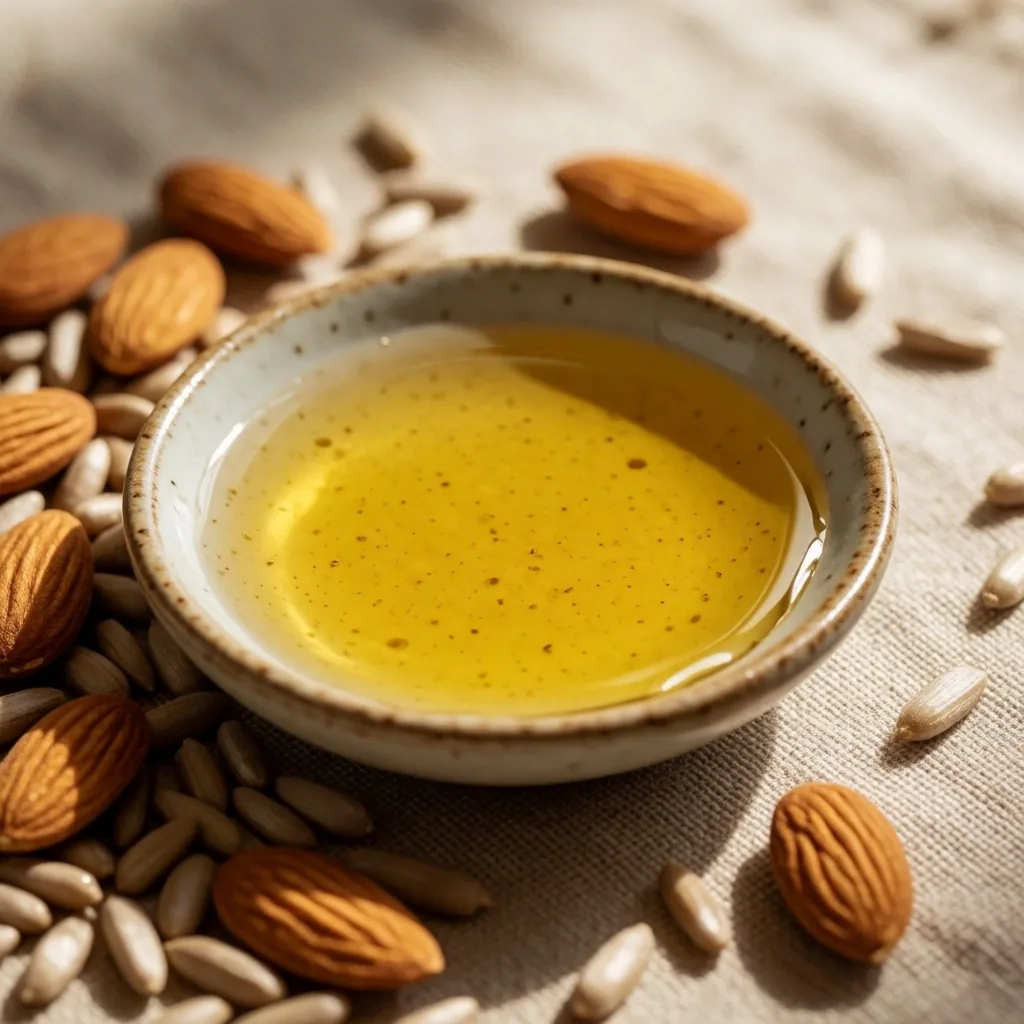
Wheat germ oil, almonds, sunflower seeds, and spinach are reliable dietary sources. Most people who eat nuts and seeds regularly get enough from food alone. A supplement makes sense when intake is consistently low or when dietary fa is restricted, since Vitamin E requires dietary fa for absorption.
Calcium and Bone Integrity
Calcium is often framed as a concern for other demographics, but it is vital for men to maintain a strong skeletal structure as they age — especially for those involved in high-impact sports, heavy lifting, or endurance running.
Calcium works in tandem with Vitamin D. Vitamin D is the key that unlocks calcium absorption; without adequate Vitamin D, much of the calcium from food and supplements passes through unused. The two belong together in any serious nutritional plan.
Dairy products, sardines with bones, tofu, kale, and fortified plant milks are strong sources. The body absorbs calcium best when intake is spread across the day in moderate amounts, rather than taken in a single large dose.
Iron and Oxygen Transport
Iron is essential for the production of hemoglobin — the protein in red blood cells that carries oxygen to your muscles and tissues. Low iron levels can lead to persistent fatigue and decreased physical performance, which shows up as sluggishness during training and slower recovery.
Heme iron from red meat, poultry, and fish is absorbed more efficiently than non-heme iron from plant sources like lentils and spinach. Pairing plant-based iron with Vitamin C-rich foods significantly boosts absorption — a practical habit for anyone eating mostly plant-based meals.
Iron supplementation should be approached carefully. Most adult men get enough from diet, and excess iron is difficult for the body to clear. If you suspect low levels, the first step is a blood test — not a supplement purchased on assumption.
Getting the Balance Right
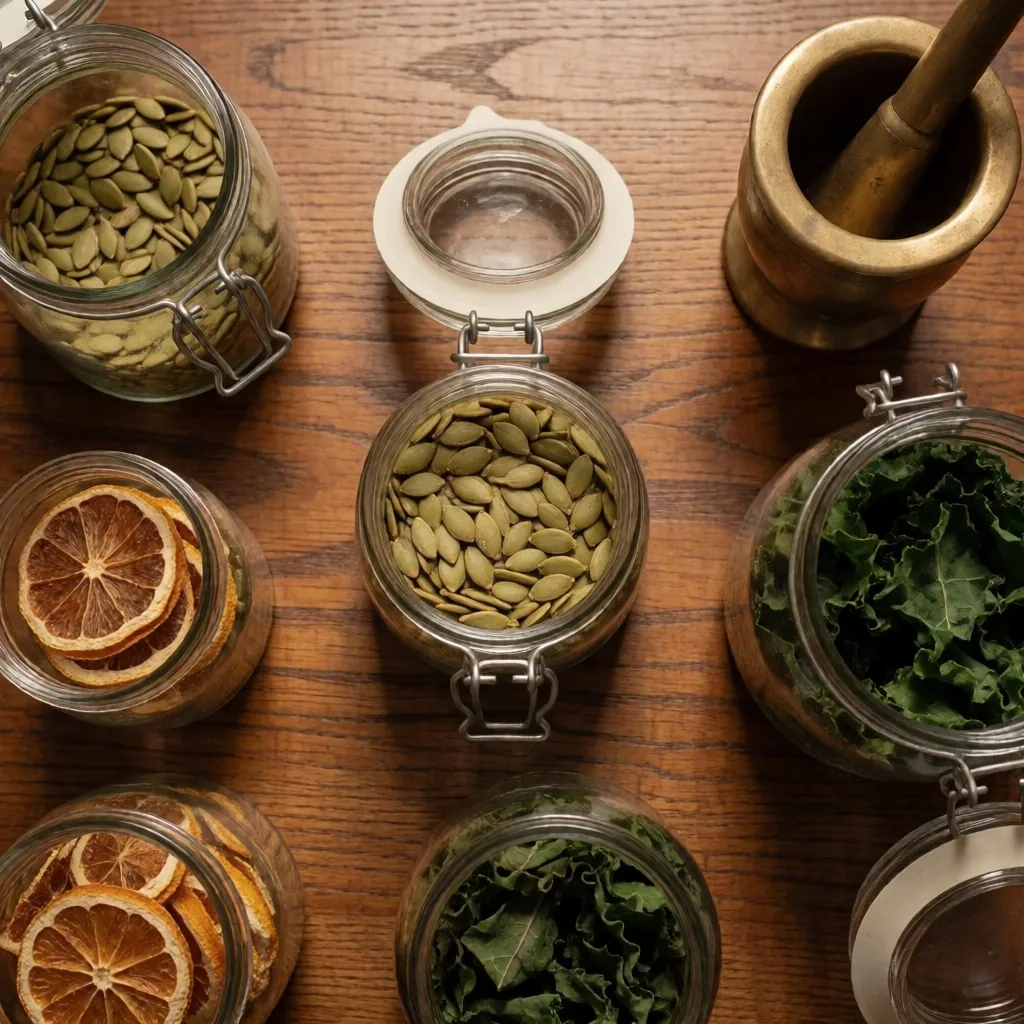
No single nutrient works in isolation. Vitamin D unlocks calcium. Vitamin C lifts iron absorption. Magnesium and zinc work alongside B-vitamins to support energy. Think of these eight micronutrients as a team — each one depends on the others to function properly.
Start With Food
A varied diet built around whole foods should always come first. Supplements are there to fill gaps — not to replace the complexity of real food. If your meals are consistent and diverse, most of these nutrients take care of themselves.
When to Supplement
Supplement when diet falls short, when training load increases, or when a blood test confirms a gap. Keep doses moderate and consistent. More is not better — the body uses what it needs and the rest goes to waste or, in the case of iron, can accumulate.
Your Nutrition Checklist
Eight Nutrients, Eight HabitsVitamin D
Aim for 10–20 minutes of direct sunlight on exposed skin, two or three times a week. Add fatty fish or egg yolks to weekly meals.
Magnesium
Include leafy greens, pumpkin seeds, or dark chocolate daily. Consider a magnesium glycinate supplement in the evening if you train hard.
Zinc
Eat beef, chickpeas, or pumpkin seeds regularly. Add a modest zinc supplement only if your diet lacks consistent animal protein.
B-Complex
Eat whole grains, eggs, and fish consistently. If you eat mostly plant-based, check your B12 intake specifically — it is the most common gap.
Vitamin C
Add a serving of tropical fruit — guava, papaya, kiwi — to your morning. The body does not store it, so daily intake is the habit that matters.
Vitamin E
Snack on almonds or sunflower seeds a few times a week. They provide enough for most people without a supplement.
Calcium
Include dairy, sardines with bones, tofu, or fortified plant milk daily. Pair with adequate Vitamin D to make sure the calcium is actually absorbed.
Iron
Most men get enough from diet. If fatigue persists, a blood test — not a supplement — is the right first step. Pair plant-based iron with Vitamin C.
Compare what is on the shelf.
Use the comparison matrix to see how different supplement brands stack up on ingredient quality, format, and value.
Jl. Melawai Raya No. 34, Kebayoran Baru, Jakarta Selatan, 12160
+62 21 724 9709 · [email protected]
This guide is informational, not a substitute for personal advice from a qualified professional. Dietary supplements are intended to support general wellness.