
Kebugaran Pria — Herbal Extracts Guide
A Botanical Manual
Botanical Solutions for Natural Strength
Today's Entry
07
Plant families examined in this guide — from adaptogenic roots to Andean crucifers.
Start Here
Move through the guide by plant family, or compare what's on the shelf side by side.
Herbal extracts bridge ancient tradition and modern wellness. At Kebugaran Pria, we examine the plant-based ingredients used for generations to support male vigor and resilience — and how to harness their power safely in your daily life.
Chapter One
The Power of Adaptogenic Herbs
How They Work
Adaptogens are a unique class of plants that help the body manage stress and maintain internal balance. Rather than pushing one system harder, they work with your natural rhythms to support a measured response to physical and mental demands.
Key Plants
Ashwagandha and Rhodiola have gained attention for their ability to support mental clarity and physical endurance. Each interacts with different pathways — Ashwagandha leans toward calming and restorative roles, while Rhodiola tends to support alertness and stamina.
What to Expect
Consistent daily use over several weeks is generally how adaptogens build their effect. They are not stimulants — the feeling is closer to a steady baseline of balanced energy rather than a spike and crash. We explore how these herbs interact with your natural systems to provide a sense of grounded vitality.
Continue to Indonesian botanicals below
Chapter Two
Traditional Indonesian Botanicals
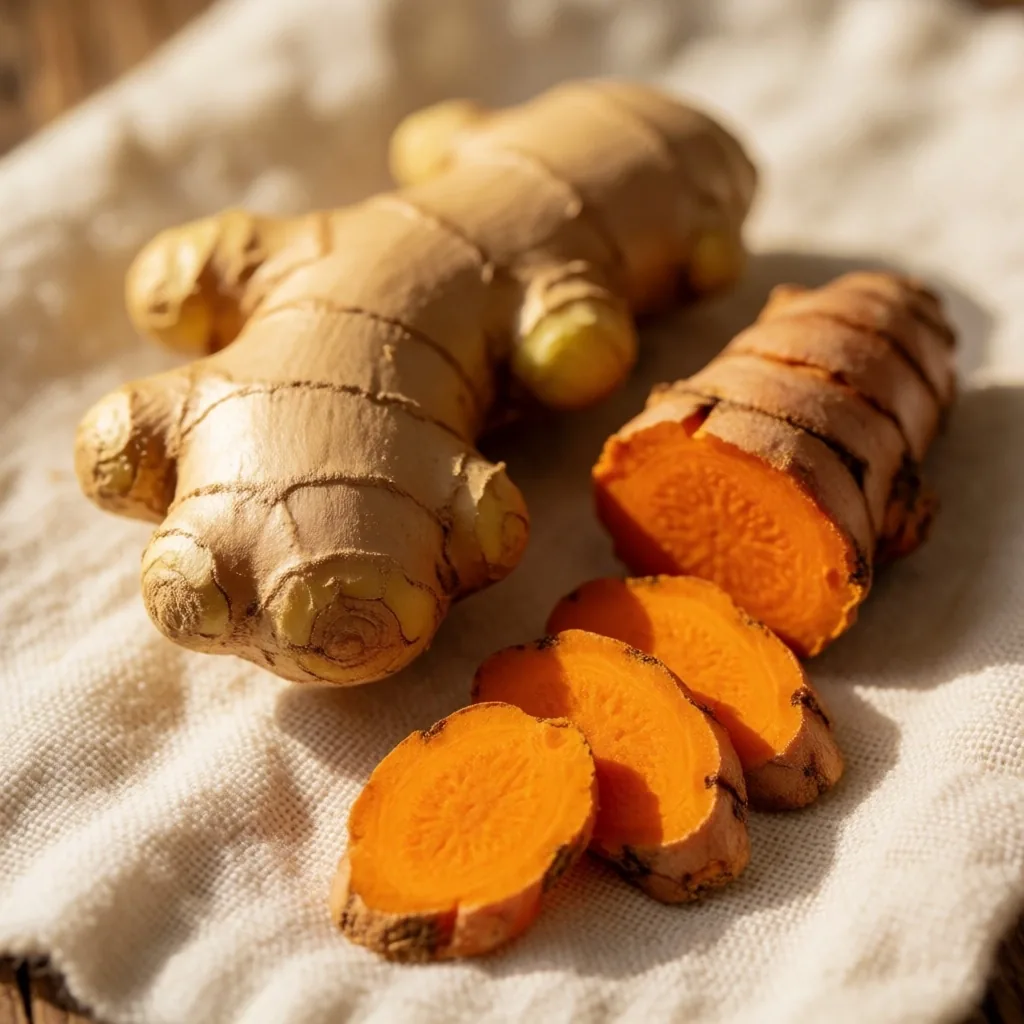
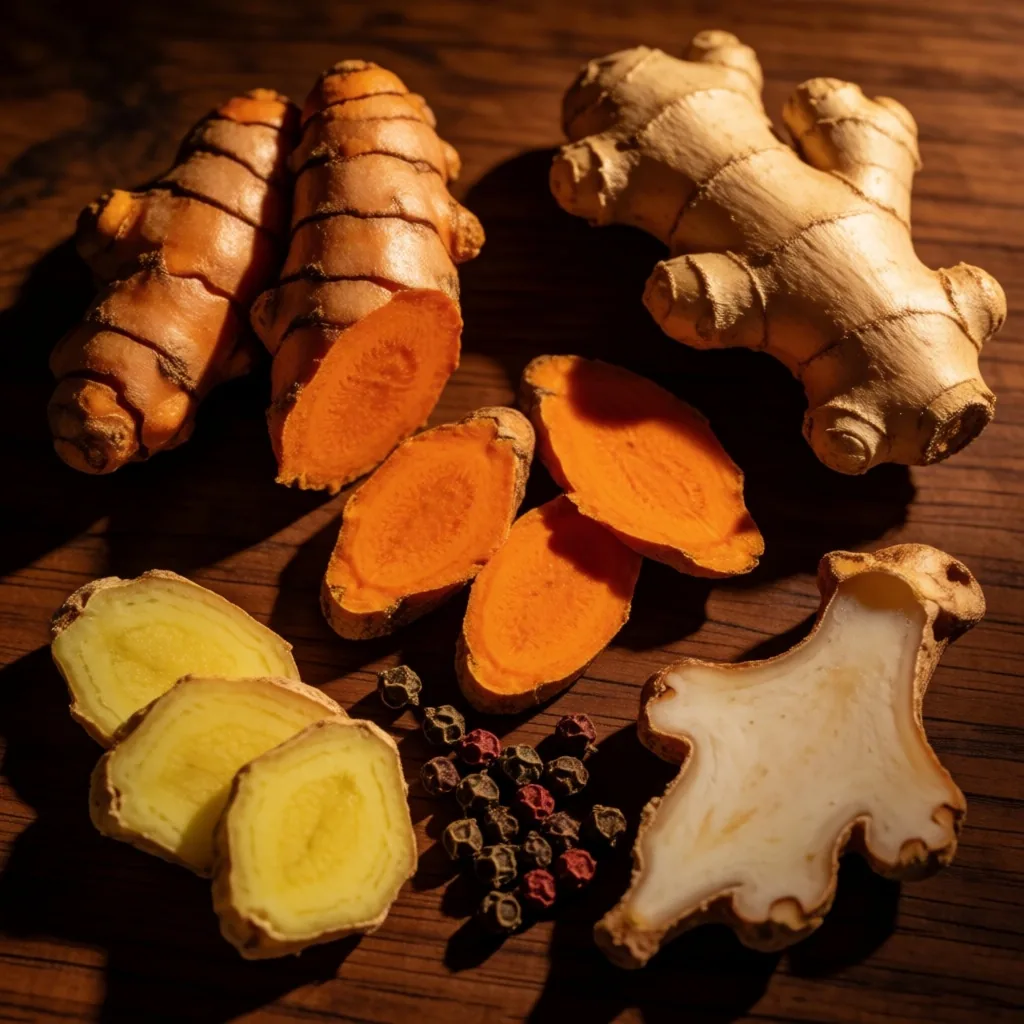
Indonesia has a rich history of herbal medicine, often referred to as Jamu. We look at how local ingredients like Ginger, Turmeric, and other native roots are being integrated into modern supplement profiles. These extracts provide potent antioxidant benefits and support a healthy inflammatory response after physical activity.
Chapter Three
Ginseng: The Classic Vitality Herb
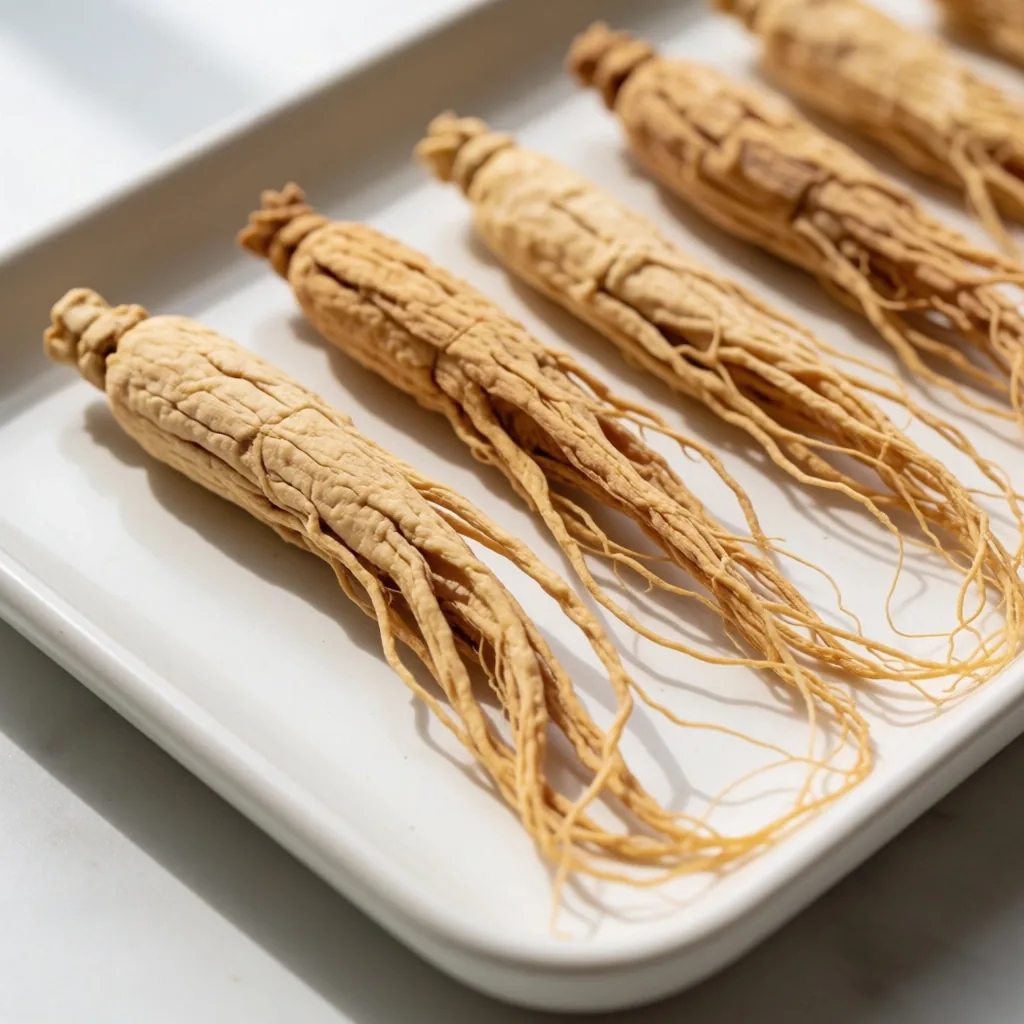
Ginseng is perhaps the most well-known herbal extract for male health globally. Whether it is Panax or Siberian Ginseng, these roots are prized for their ability to support stamina and cognitive function. The two varieties come from different plant families and interact with the body in distinct ways.
Panax Ginseng
Also called Asian or Korean ginseng. Associated with alertness, stamina, and overall physical coordination. Look for standardized ginsenoside content on the label.
Siberian Ginseng
From a different plant family (Eleutherococcus). Often used for endurance and adaptation to stress. Contains eleutherosides rather than ginsenosides.
We detail the differences between varieties and what to look for in a high-quality extract — including root age, extraction method, and the standardization percentage that tells you how much active compound is actually present per serving.
Chapter Four
Saw Palmetto and Physical Balance
Saw Palmetto is a small palm tree native to the southeastern United States, widely used in supplements for men's wellness. It is primarily studied for its role in maintaining a healthy internal balance as men age.
- — Often prepared as a standardized lipid extract rather than a simple powder
- — Common daily serving ranges from 160 to 320 mg of the extract
- — Best taken with a meal containing some fa for absorption
- — We provide a clear look at the research surrounding this extract and its intended use in a daily regimen
Chapter Five
Tribulus Terrestris in Sports Nutrition
Often found in formulas designed for active men, Tribulus Terrestris is a plant from the Zygophyllaceae family. It has a long history of use in traditional systems to support physical performance and vitality.
- — Active compounds known as saponins are the primary markers of quality
- — Standardized extracts typically target 40 to 90 percent saponin content
- — Popular in pre-workout and recovery formulas for active lifestyles
- — We examine the active compounds within the plant and how they contribute to overall well-being
Chapter Six
Maca Root for Natural Energy
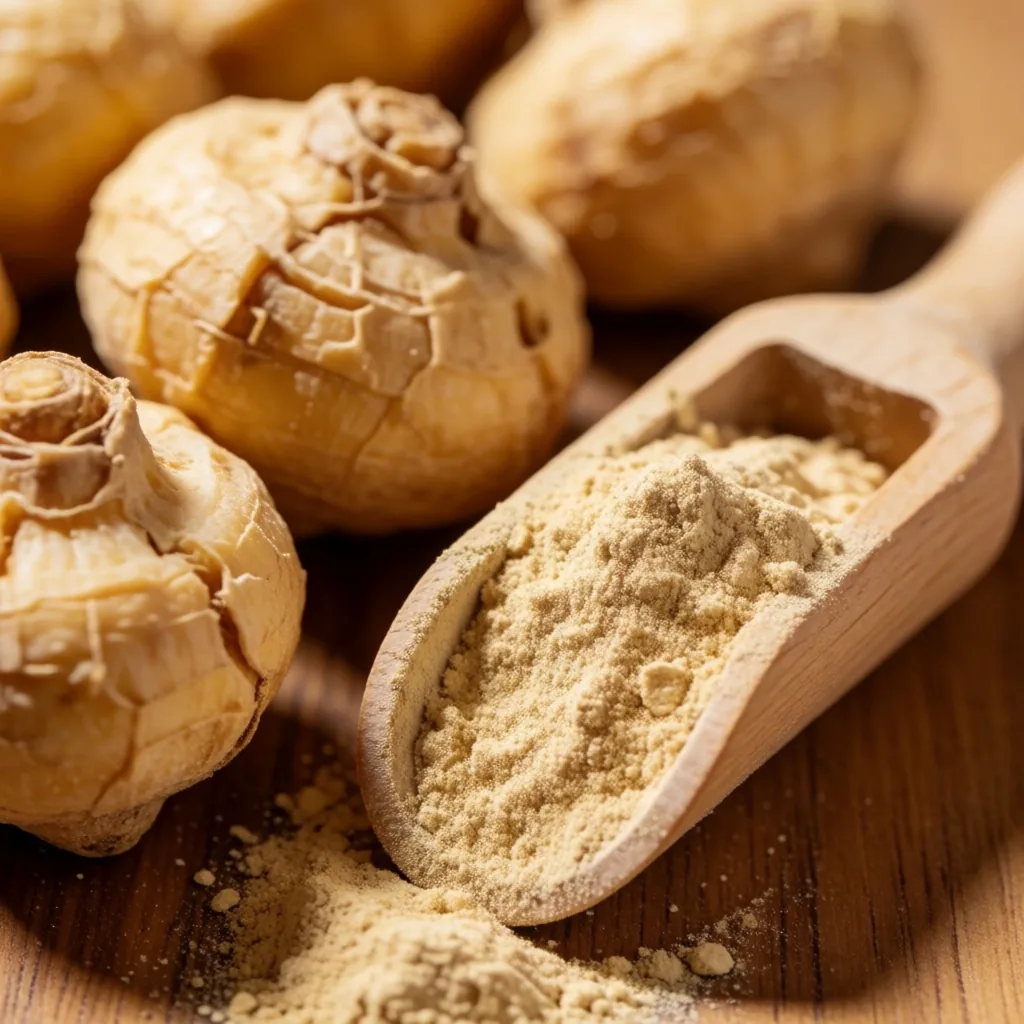
Originating from the Andes, Maca root is a cruciferous vegetable that has become a staple in the wellness world. Known for its earthy taste and energy-supporting properties, Maca is a caffeine-free way to support daily vigor without the jitter or afternoon slump.
Maca is typically sold as gelatinized powder — a process that removes starch and improves digestibility — or as capsules. We explain how to incorporate Maca powder or capsules into your routine, including timing, serving size, and what to look for on a quality label.
Active Lifestyle TipsChapter Seven
Fenugreek and Metabolic Support
Fenugreek is an herb similar to clover, and its seeds are commonly used in both cooking and supplements. In the context of male wellness, it is often utilized to support a healthy metabolism and physical strength. The seeds contain soluble fiber, saponins, and free amino acids that contribute to its nutritional profile.
We discuss how fenugreek fits into a natural health strategy — what the research suggests about daily use, how it complements other botanicals, and why standardization of saponin content matters when comparing products on the shelf.
Form
Seed extract, powder, or whole seed
Markers
Saponins (fenugreek-specific)
Pairing
Often combined with zinc or maca
Chapter Eight
Standardizing Herbal Quality
The effectiveness of an herbal supplement depends on the concentration of its active markers. Standardization is the process that ensures every dose contains a consistent amount of the plant's beneficial compounds — so what you read on the label is what you actually get.
Step One — Identify
Locate the Active Marker
Each plant has specific compounds responsible for its effects — ginsenosides in ginseng, saponins in tribulus, withanolides in ashwagandha. A quality extract identifies and targets these markers.
Step Two — Extract
Concentrate Consistently
The raw plant material is processed to concentrate the active compounds to a stated percentage. This means a 5 percent ginsenoside extract delivers the same amount every time, unlike raw powder which varies by harvest.
Step Three — Verify
Read the Label
This knowledge helps you choose products that actually deliver the promised benefits. Look for the standardized compound and its percentage on the supplement facts panel — not just the weight of the raw powder.
Continue Your Reading
Keep Exploring the Guide
This herbal extracts guide is part of a broader resource. Pair it with our vitamins guide for a complete picture, or compare what's available across brands before you decide.
Questions About an Extract?
Reach the Kebugaran Pria editorial desk for questions about specific herbal ingredients, sourcing, or what to look for on a supplement label.
Jl. Melawai Raya No. 34
Kebayoran Baru, Jakarta Selatan, 12160
+62 21 724 9709
Mon–Fri: 09:00–18:00 WIB